The new scoreio platform: redesign, a new engine, and speed without reloads
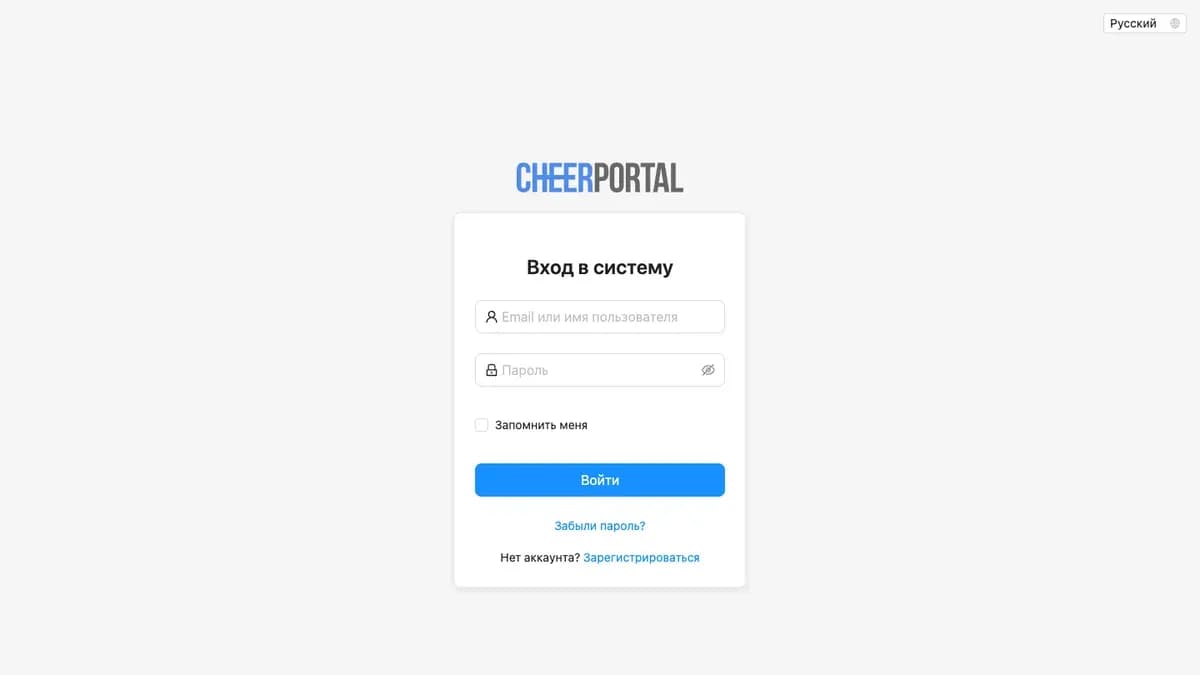
This is the biggest update in the product's history. scoreio has fully moved to a new platform — a from-scratch interface, a modern technology stack, and a redesign we'd long wanted to ship. In short: it's noticeably faster, far more comfortable on a phone, and sturdier under the hood. In detail: almost every screen you use has changed for the better, and beneath it sits an engineering foundation we'll build on for years. This article is about what you'll feel on your very first day on the new platform.
How it used to work
The old interface served its years honestly, but by 2026 it had started to slow development down — both literally and figuratively.
- Page reloads on every step. Opening a registration, changing a filter, switching sections — nearly every action reloaded the whole page. There was always a pause between click and result, and across a busy registration day those pauses added up to tens of minutes.
- Awkward on a phone. The interface was built for desktop. Yet organizers and coaches increasingly work on the move — in the stands, in the hall, on the road — and a lot was simply inconvenient on mobile.
- Dated look and logic. Screens had accumulated over the years and looked inconsistent. A new user struggled to find their way without a real person to guide them.
- Fragile to change. The older the codebase grew, the riskier it was to change: a fix in one place could ripple into another. That slowed down shipping new features.
We could have kept patching the old. Instead we chose to build the new.
What changed

scoreio moved to a modern technology stack and received a full redesign. Here's what directly changes your day-to-day work.
A brand-new, fast interface
The platform is now a single-page application: moving between sections and registrations happens instantly, with no page reloads. You click — and see the result immediately. That "the page is thinking" pause is gone. Over the course of a working day this turns into real time saved and far calmer work during peak registration hours.
Responsive: phone and tablet
The new interface is responsive — it adapts to the screen. On a phone or tablet you can now do real work: check registrations, view statuses, make edits right from the stands or the hall, without waiting until you're back at a laptop.
Competition maps
There's now an interactive location map for a competition. Participants see exactly where the event takes place, and the organizer no longer needs to explain the address and directions separately — the location is embedded right into the competition page.
Drag-and-drop roster management
Building and changing rosters is more visual now: drag-and-drop management is in. Move an athlete, rebuild a roster, adjust roles — all with the mouse, without long forms and extra clicks. It's especially noticeable on large teams and dense routines.
In-app onboarding tours
For new users there are built-in interactive onboarding tours — guidance right inside the product. The platform walks you through the key steps: where to create a competition, how to accept a registration, where to view statuses. Fewer support questions and a fast start for new organizing-committee staff.
Built-in RU / EN bilingual support
Russian and English are built in from the start and switch on the fly — interface, sections, controls. It's the foundation for international events and mixed teams; more on that in the piece on full localization.
A modern dashboard and clear data structure
The home screen is built around what matters right now: the "Recent registrations" and "Upcoming competitions" blocks with quick statuses give you the picture at a glance. Data is organized into clear sections:
- Persons database — a single directory of people;
- Disciplines and Discipline types;
- Age groups, Levels, Genders;
- Organizations and Head organizations;
- Users.
Everything is in its place, so navigating and setting up a competition is simpler and more predictable.
A reliable foundation under the hood
Some changes aren't visible on screen, but they're exactly what makes the platform solid:
- a documented API — for integrations and data exchange with external systems;
- reliable cloud document storage — participant scans and files are kept securely and accessed by permission;
- Word and Excel document generation — scoresheets, lists, and exports are produced in familiar formats;
- automated testing on every release — each update is checked automatically before it ships, so there are fewer regressions and unexpected breakages;
- real-time error monitoring — issues are visible immediately, and we react, often before users even notice.
What this gives you

- Faster every day. Instant transitions with no reloads save time on every action — across a busy registration day that's tens of minutes saved.
- Work from any device. A responsive interface makes real work from a phone or tablet comfortable — right from the stands or the hall.
- Fast start for newcomers. Built-in onboarding tours shorten onboarding and remove some support questions.
- Visual rosters. Drag-and-drop speeds up building and editing rosters, especially on large teams.
- Fewer breakages. Automated tests on every release and real-time error monitoring raise stability — updates arrive without nasty surprises.
- Integration-ready. A documented API, cloud storage, and Word/Excel generation provide a reliable base for data exchange and reporting.
- Built for the future. A modern stack is the foundation on which new features ship faster and more safely.
Where this solves a real problem

A peak registration day. A day before entries close, the inbound flow is at its maximum: dozens of teams, edits, checks. On the old interface every action hit a reload, and work went in fits and starts. On the new platform transitions are instant — the organizer handles the same volume noticeably calmer and faster, without accumulated pauses.
An organizer working right at the venue. On competition day you need to check statuses and make edits without leaving the floor. Previously that meant "get to the laptop." Now the responsive interface lets you do the same from a phone — check a registration, change a roster by dragging, view the map and upcoming events, without leaving the hall.
A new committee member on day one. A new person used to need live training and hand-holding through their first registrations. Now built-in onboarding tours guide them through the key steps right in the interface, and a clear dashboard with "Recent registrations" and "Upcoming competitions" immediately shows what's happening. They get up to speed faster and with fewer mistakes.
Frequently asked questions

Is this the same platform or a new product? It's the same scoreio — your data, competitions, and logic are all there. The interface and technology foundation changed: the product moved to a new, faster, and more reliable engine with a full redesign.
Do I have to relearn everything? No. The way it works is familiar, and the key screens became clearer. For new users there are interactive onboarding tours that walk through the main steps right in the interface.
Will it be comfortable to work from a phone? Yes. The new interface is responsive and built for real work from a phone and tablet — checking registrations, statuses, and edits right from the venue.
Did the platform become more reliable or just prettier? Both. Beyond the redesign, under the hood there's automated testing on every release and real-time error monitoring, which reduces regressions and unexpected breakages.
Can scoreio be integrated with other systems? Yes. The platform has a documented API, reliable cloud document storage, and export generation in Word and Excel — a foundation for integrations and data exchange.
Conclusion

The new platform isn't cosmetics — it's a change of foundation: a fast interface with no reloads, mobile support, competition maps, drag-and-drop rosters, onboarding tours, and bilingual support on top of a modern, reliable stack. Most importantly, all of it is the base for what comes next: on the new engine, features ship faster and more stably. Capabilities already running on top of it include white label under your brand and the extended team roster with spotters and clubs.
Want to see the new platform in action? Request a demo or a pilot launch of scoreio — we'll show the refreshed interface on your scenarios and spin up a test portal tuned to your rules.


